A ferry timetable, a family surname, and a pin on an old map can lead to very different kinds of journeys. Heritage cruising brings them together, allowing you to move through the Adriatic with ease while making time for the places that shaped your family story. It is not simply a cruise with a cultural stop added in. It is a private, considered way to return to villages, islands, churches, ports, and landscapes that may have lived in your imagination for generations.
For travelers with Croatian, Slovenian, Dalmatian, or broader Adriatic roots, the appeal is both practical and deeply personal. Coastal communities are often best understood from the water, yet the most meaningful moments may happen inland: at a parish archive, over lunch with a local family, or on the stone lane where a grandparent once lived. A well-designed journey gives both experiences their proper place.
What Makes Heritage Cruising Different
Traditional cruising is organized around the ship’s schedule. Heritage travel is organized around your story. The distinction matters when your wish list includes more than beautiful ports and celebrated landmarks.
A bespoke Adriatic itinerary can begin with the information you already have, whether that is a family name, a town of origin, a century-old document, or only a remembered phrase from childhood. From there, the route is shaped around meaningful geography. Perhaps your family came from an island near Split, while your partner has Slovenian ties and your children want time to swim, sail, and explore historic cities. Rather than forcing those interests into a fixed itinerary, the journey is designed to hold all of them.
The luxury is not limited to a beautiful yacht or boutique ship, though those details matter. It is the freedom to adjust your pace, arrive in smaller harbors, spend an extra afternoon in a village, and return to the water when you are ready. It is also the reassurance that the logistics behind a complex, personal journey have been handled with care.
The Adriatic Is Made for a Journey With Meaning
The Adriatic coast rewards unhurried travel. Its islands, walled cities, fishing villages, vineyards, and limestone coves are close enough to create a fluid land-and-sea experience, but distinct enough that each stop feels like a new chapter.
For a family tracing Dalmatian heritage, a route might pair Split with the islands of Brač, Hvar, Korčula, and Vis. A visit to an ancestral settlement can sit naturally beside a private tasting at a small winery or a swim in a quiet bay accessible only by boat. If your story reaches into Istria or Slovenia, the itinerary may combine the graceful coastal towns of Rovinj and Piran with inland villages, family archives, and time in Ljubljana.
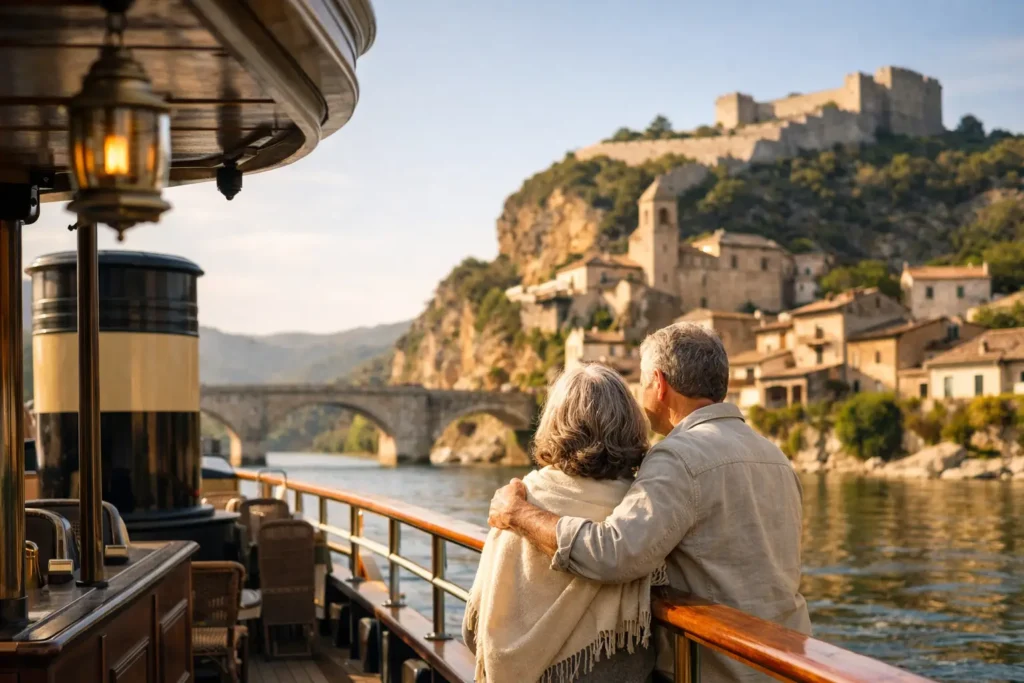
This geography also allows for a more intimate rhythm than a large-ship voyage. You can wake within sight of a medieval town, meet a local guide after breakfast, and be anchored in a peaceful cove by late afternoon. The transition between discovery and restoration feels natural rather than rushed.
The moments that stay with you are rarely scripted
A landmark can be memorable, but heritage travel often turns on smaller encounters. It may be a local historian recognizing a surname. It may be the scent of a kitchen that recalls a dish made by a grandmother in America. It may be standing at a family grave and realizing that the distance between past and present is not as vast as it once seemed.
These moments cannot be promised on command. They can, however, be given space to happen. That is why a personalized itinerary matters more than checking off the greatest possible number of destinations.
How a Personal Heritage Itinerary Takes Shape
The strongest journeys begin well before embarkation. Planning is a conversation about your family, your travel style, and what you hope to feel when you arrive. Some guests want an intensive genealogy-focused experience. Others prefer their roots to be one meaningful thread within a broader luxury vacation. Both approaches can be right.
First comes the story. Any records, names, photographs, dates, or remembered locations can be useful, but imperfect information is not a barrier. Many travelers begin with only a surname and a region. With the right local research and guidance, that starting point can still lead to illuminating discoveries.
Next comes the route. This is where private cruising has a particular advantage. The vessel, length of voyage, accommodations, embarkation point, and daily pace can be selected around your priorities. A couple celebrating an anniversary may favor a sleek private yacht and long, quiet afternoons on deck. A multigenerational family may prefer a boutique vessel with more space, flexible dining, and a balance of cultural outings and relaxed beach time.
Then come the experiences ashore. Private guides can add context that a standard tour cannot, especially in places connected to your family. You might visit an ancestral village with someone who understands local history, arrange access to relevant archives where possible, meet craftspeople who preserve regional traditions, or enjoy a home-style meal that reflects the cuisine your relatives carried overseas.
Adriatic Roots Cruises approaches this process as a collaboration. The goal is not to hand you a predetermined vacation, but to create a journey that feels unmistakably yours, with polished details in place from the moment you arrive.
Balancing Family History With the Pleasure of Travel
There is a gentle tension in heritage travel: you want to honor the past without making every day feel like an assignment. A great itinerary respects both.
For some families, one or two deeply researched heritage days are enough. They provide emotional focus, while the rest of the journey leaves room for sailing, exceptional dining, UNESCO-listed cities, and the pleasure of being together. For others, the family-history element is the center of the voyage, with multiple village visits and time devoted to archival research. The ideal balance depends on the group, the available records, and how much time everyone wants to spend on the ground.
It is also wise to prepare for complexity. An ancestral home may no longer exist. Records may be incomplete, names may have changed, and local boundaries may have shifted over time. Those realities do not diminish the experience. Often, they make the encounter more human. Seeing the landscape, learning the history of migration, and understanding why a family left can offer a powerful form of connection even when no single document provides every answer.
Make room for every generation
A roots-based journey is especially meaningful when shared across generations. Grandparents may offer memories and family lore. Adult children may bring research skills and fresh questions. Younger travelers often connect through food, swimming, stories, and the simple thrill of visiting a place that belongs to their family narrative.
The key is to avoid treating every traveler the same. One guest may want to linger at a museum, while another would rather explore a market or take a paddleboard into a sheltered bay. Private planning allows these preferences to coexist without fragmenting the experience.
The Details That Turn a Meaningful Trip Into an Exceptional One
Emotional depth should not require logistical compromise. The right heritage cruise pairs personal discovery with the standards expected of a luxury journey: considered accommodations, discreet service, excellent regional cuisine, reliable private transportation, and guides chosen for both knowledge and warmth.
Timing deserves attention as well. Spring and early fall often offer comfortable weather, fewer crowds, and a more relaxed atmosphere in historic towns. Summer brings long, luminous days and ideal swimming conditions, but popular ports can be busier. If an archive visit or village meeting is central to your plans, allowing flexibility around local opening hours and community schedules is essential.
The most successful itineraries also leave breathing room. A delayed ferry, an unexpected conversation, or a village celebration can become one of the defining parts of the trip. When the schedule is too rigid, those opportunities disappear. When it is thoughtfully paced, you can follow the thread of the day without sacrificing comfort.
Your family story does not need to be complete before you travel. Sometimes the act of arriving is what gives it shape. Bring the names you know, the questions you have carried, and the people with whom you want to share the answer. The Adriatic can take care of the rest, one harbor, table, and homecoming at a time.